Google Ads automation sounds amazing on paper. Letting the system do the hard work, saving time, and getting better results. To start with, that’s often exactly what happens.
Then something changes. You’re spending more, the leads don’t feel as strong, and budgets boil over. Nothing stands out as broken. The account still looks optimized.That’s pretty much when automation has stealthily taken over.
Why Automation Seems to Be Functioning Initially
When you enable Smart Bidding, Broad Match, or Performance Max, Google begins with the low-hanging fruit. High-intent users, obvious searches, people who were likely to convert anyway.
You glance at your conversions, and you assume the system knows what it’s doing. It’s actually just burning through the most predictable traffic first.When that tapers off, “then, the algorithm needs to find other places to continue pouring traffic at your targets.” That’s when costs start creeping up.
Automation Optimizes for Targets, Not the Reality of Business Operations
Automation does what you tell it to do, not what you want it to do.
Google Ads doesn’t know about profit, lead quality, or downstream sales unless you tell it. It is optimized around signals, conversion information, and constraints.
When those signals are weak, constraints loose or both, automation filled the void by broadening reach. That expansion costs money.
Smart Bidding prefers straightforward conversions
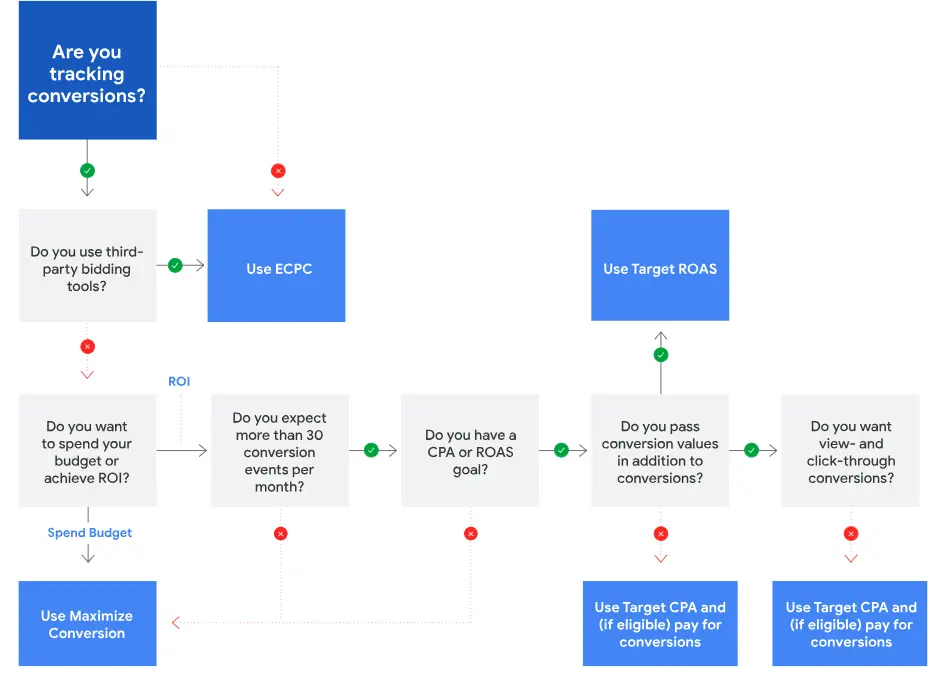
Strategies for Smart Bidding such as Maximize Conversions or Target CPA are optimising for volume and probability, not for the value.
If all conversions are equal, the easiest actions to complete will be chased by the algorithm. That’s scarcely high intent leads, fast form fills and people who are never going to buy.
On paper, the performance is fine. In reality, sales quality plummets.
This is also why advertisers have described automation as “making everything worse” even as dashboards continued to look ”healthy.”
Large-scale Broad Match Outpaces Most Accounts’ Capacity
Broad Match is scaling faster than most accounts can keep up with Broad Match is a very aggressive strategy when used in conjunction with Smart Bidding. It stretches keyword reach according to Google’s understanding of relevance, rather than your interpretation.
But the larger issue is visibility. You don’t see every search term anymore. Waste accumulates silently behind the scenes.
When you’re not actively managing negatives, Broad Match is a slow drain on your budget. Costs rise as insight falls. Automation alone and without keyword discipline is not efficiency. It’s neglect.
Performance Max Hides Where Money Is Going
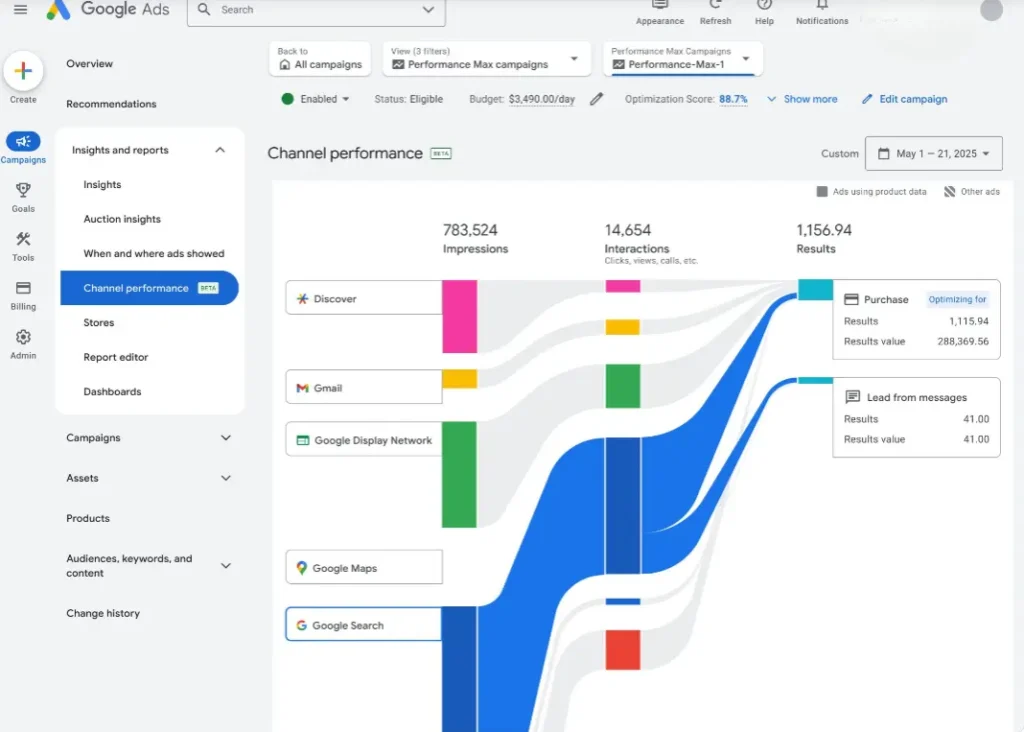
Performance Max makes managing campaigns easier but takes away visibility into them. Search, display, YouTube, and discovery traffic are merged. Strong search hides weak placements in other places.
When the costs go up, you can’t really pinpoint what caused it. You have to trust that black box, which keeps spending.For ecommerce with good product data, this can work. For lead gen, it can result in higher costs and a lower quality lead as time goes on.
Auto-Applied Recommendations Shift Control Away
Google’s suggestions read as friendly enhancements. Many of these increase reach and spend.
Changes are automatically applied, and keywords can be converted to Broad Match, budgets can be increased, or bidding strategies can be modified without any real supervision.
When this occurs, you are no longer managing strategy. You responding to decisions that have already been made.If you don’t own the recommendations, Google owns them for you.
The Unspoken Incentive Problem
Google earns money when ads are displayed and clicked on. Advertisers earn money when conversions are efficient and high-value.
These incentives are in common interest at times, but not always.
Bidding is algorithmic and competition-driven, built to maximize auction participation. When left unconstrained, it gravitates towards expansion. Expansion nearly always increases costs.
It doesn’t make automation bad. That nature of trust makes it reckless.
Control Results From Definition, Not Manual Labor
Many advertisers believe regaining control means returning to manual bidding. That’s outdated.
True control is achieved by having a clear definition of success and then consistently applying that definition.
Conversion Quality Matters
If a newsletter signup and sales lead are both considered a conversion and are equal, the algorithm will go after the easiest one. Differentiate your conversion actions or give them values that are truly reflective of your business.
If you don’t do this, Smart Bidding is going to optimize for noise.
Negative Keywords Are Mandatory
Automation is not a substitute for a search term review. It increases the need for them.
Every irrelevant search term you leave on sends the wrong signal to the system. Over time, this raises CPC and lowers intent.
Budgets Are Levers of Control
An open-ended budget leads to waste. Budget limits compel prioritization and constrain expansive indulgence.Automation works better when it has limits.Structure Still Shapes Learning
Oversimplified stories mislead algorithms. Very different intent being mixed trains the system badly.
Context = good structure: giving automation context. Bad structure gives it permission to guess.
How to use automation without bleeding money
Automation is a tool. Use it, but never abdicate responsibility.
To stay in control:
- Define high-quality primary conversions only
- Separate brand, non-brand, and remarketing
- Limit broad match usage and audit search terms aggressively
- Use Smart Bidding with realistic targets and enough data
- Exclude placements, audiences, and keywords manually
- Treat Performance Max as an experiment, not a core
- Monitor CPC trends, not just CPA
- Ignore automated recommendations that increase budget or loosen targeting without evidence
- Most importantly, remember this: automation needs a pilot. Not a passenger.
Conversion Tracking: The Weakest Link in Google Ads Automation
Google Ads automation only works if conversion data reflects real business value. In practice, most setups are flawed.
Common Google Ads tracking mistakes include:
- Counting page views as conversions
- Tracking low intent micro actions as primary goals
- Mixing lead and purchase conversions
- Double counting across platforms
- Importing inflated GA4 events
When bad data feeds automation, Google Ads scales inefficiency with precision. Costs rise fast, and performance reports still look positive.
Final thought
Google Ads automation does not quietly increase costs. It increases costs predictably when advertisers stop thinking critically.
If you give Google full control, it will take full advantage. Not maliciously, but structurally. The system is built to maximize auction success and platform revenue.
Your job is not to fight automation. Your job is to constrain it, guide it, and constantly question its decisions.Because the moment you stop controlling Google Ads automation, it stops working for you and starts working for Google.